
The ecological significance of Baynes Sound
Ecologically and biologically significant area
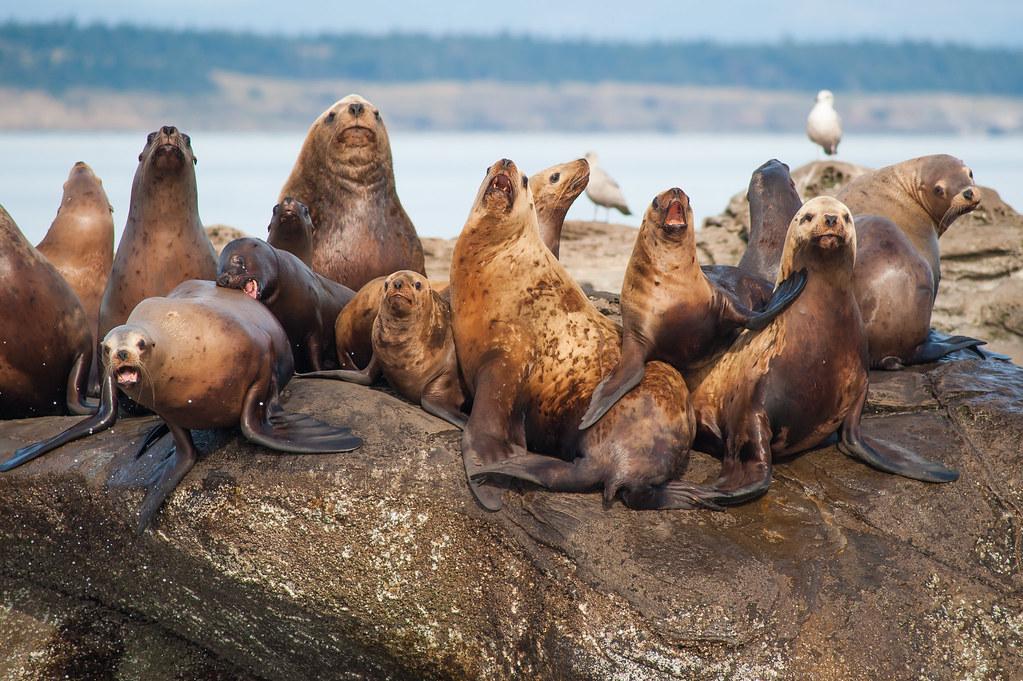
Fisheries and Oceans Canada classifies Baynes Sound as an Ecologically and Biologically Significant Area (EBSA for short). It is particularly important for stellar sea lions, harbour seals, marine birds, herring, and butter clams.
Harbour seals and stellar sea lions
Baynes Sound is a foraging area and a haul out site for pinnipeds. Hauling out is when pinnipeds leave the water to rest and/or mate.
Pinnipeds means 'fin foot' or 'feather footed' in Latin. Harbour seals and stellar sea lions are both pinnipeds.
Marine birds
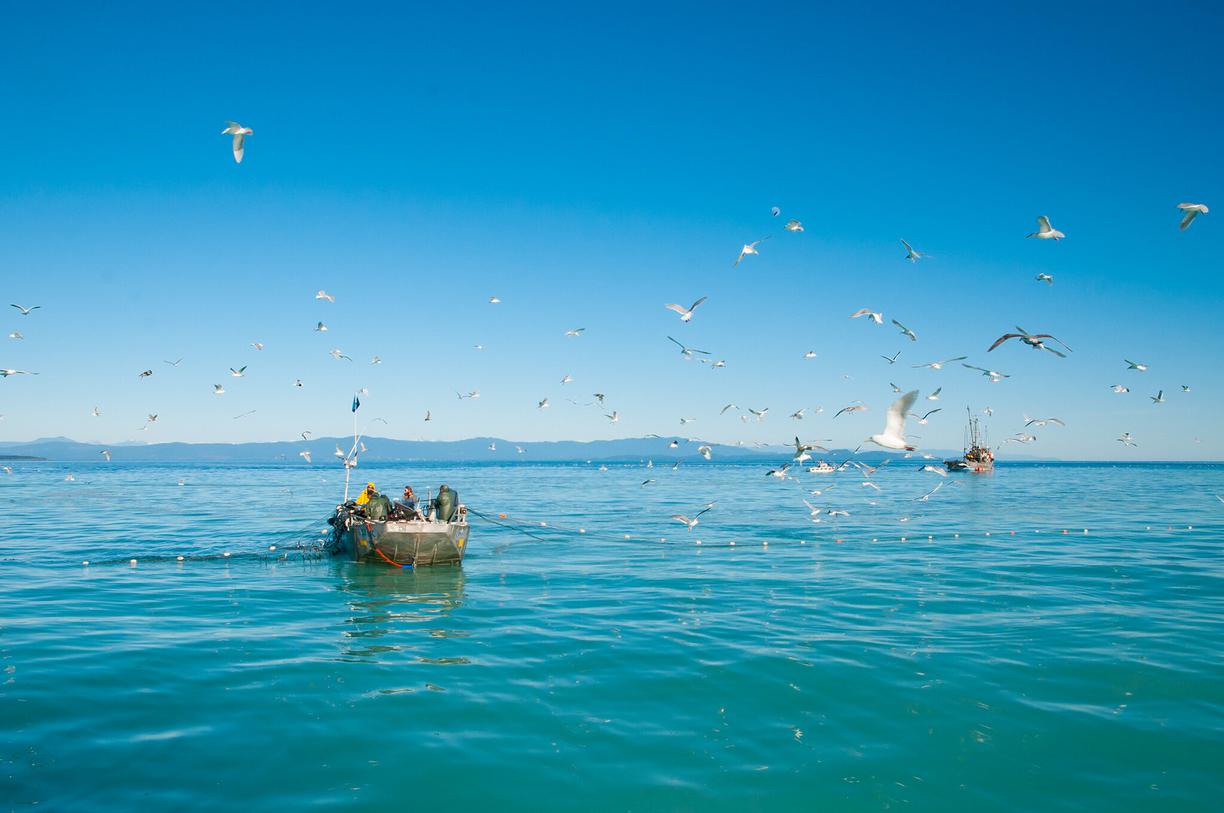
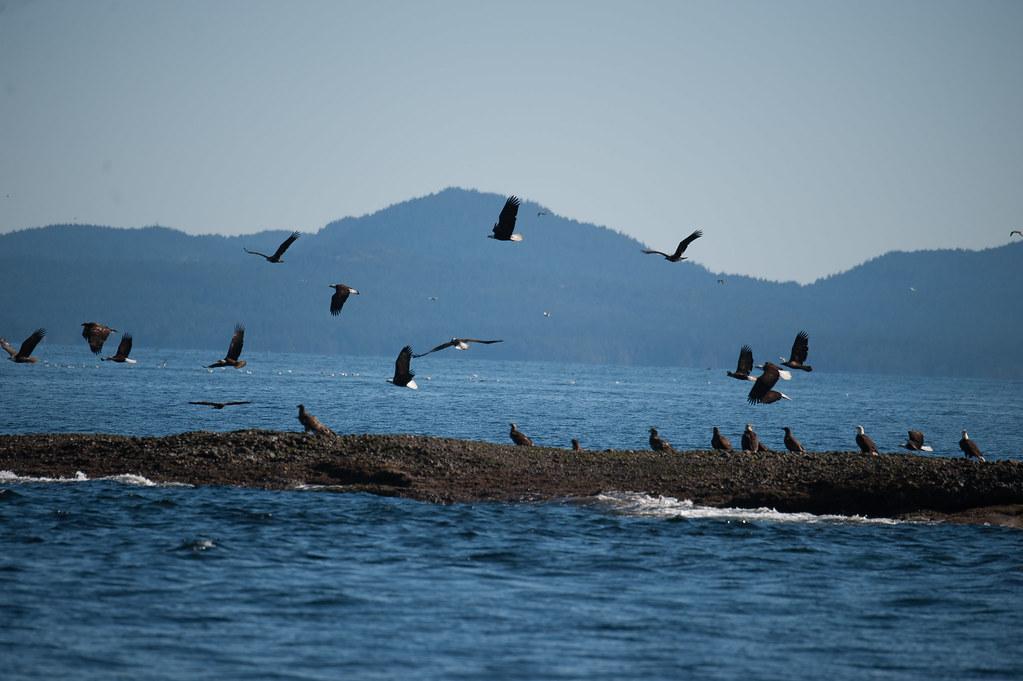
Baynes Sound is a staging site for more than 10,000 birds during the herring spawn. Staging is when birds stop to eat a big meal during their migration. This gives them the energy they need for their long journey.
Herring
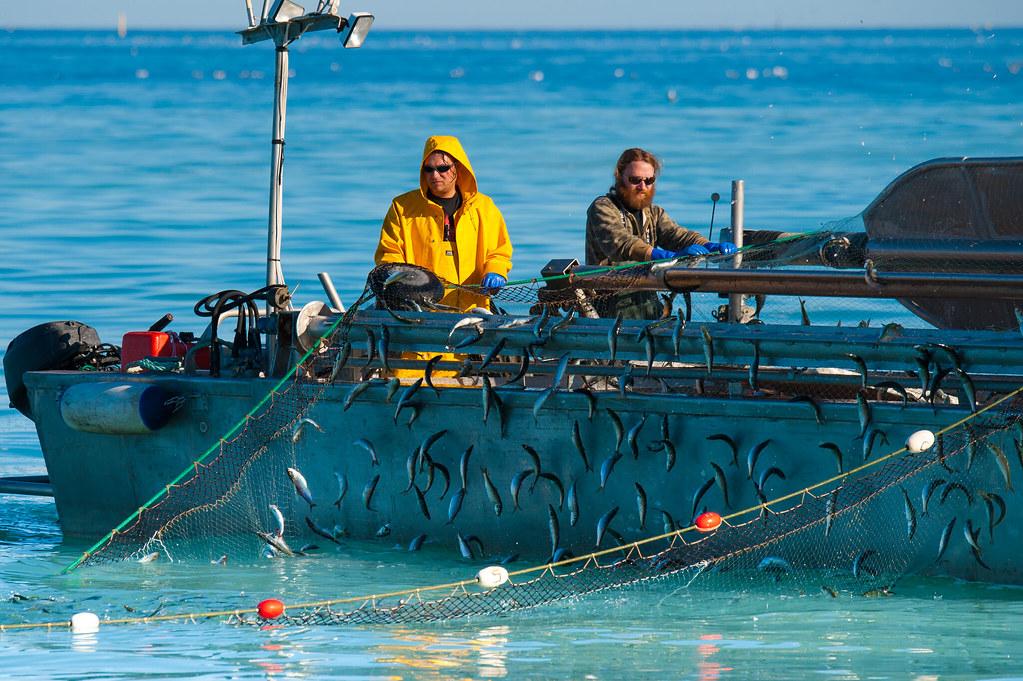
Baynes Sound is British Columbia’s primary spawning and rearing habitat for herring. Learn more about herring on our herring page.
Butter clams
Butter clams are found throughout Baynes Sound, and there is a high density in the area overall. Learn more about shellfish on our shellfish aquaculture page.
Important bird and biodiversity area
Baynes Sound is internationally recognized as an Important Bird and Biodiversity Area or IBA (as part of The K’ómoks IBA). The area supports important bird populations both at the global and continental level. Baynes Sound is also important because it provides habitat for bird species that are threatened or of special concern, like the Great Blue Herron and Peregrine Falcon.
The herring spawn is another reason Baynes Sound is an IBA. The herring spawn causes many birds to aggregate in the area. Over 100,000 waterbirds have been observed during the spring spawn in Baynes Sound!
Learn more about IBAs in general at BirdLife.org
Learn more about the K’ómoks IBA at IBACanada.ca
The Baynes Sound food web
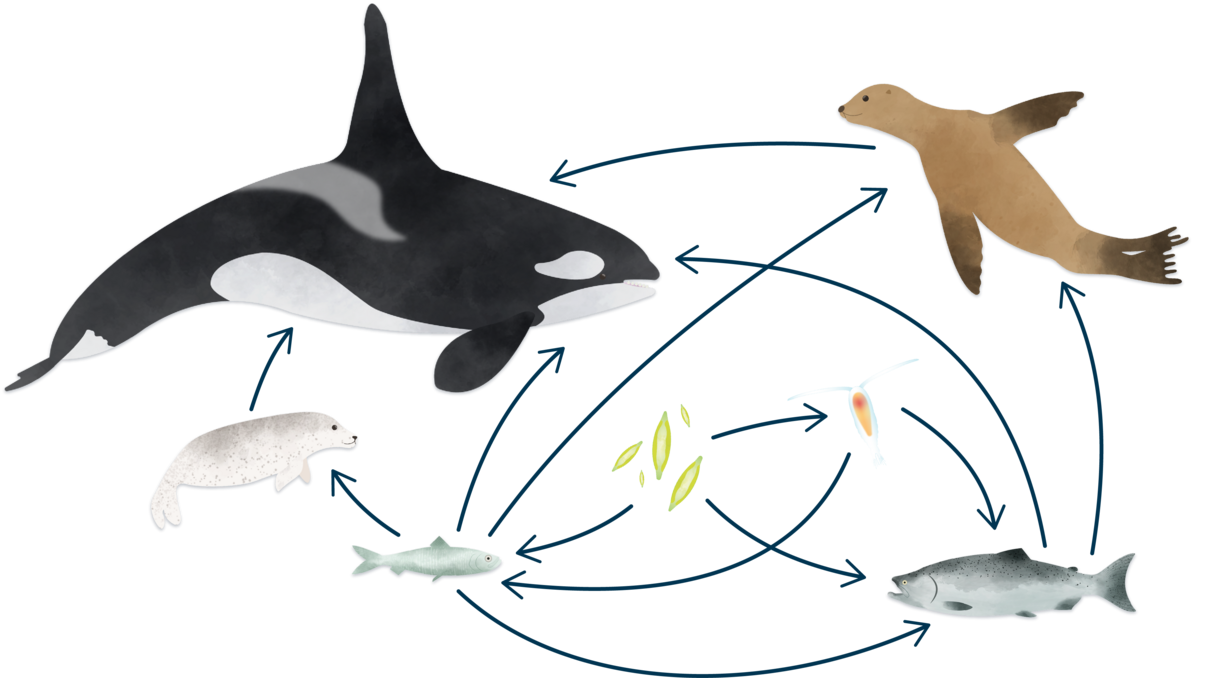
The species you know and love depend on lots of smaller species that you may not know much about. Keep reading to learn about the unsung heroes of Baynes Sound.
Phytoplankton (microscopic algae)
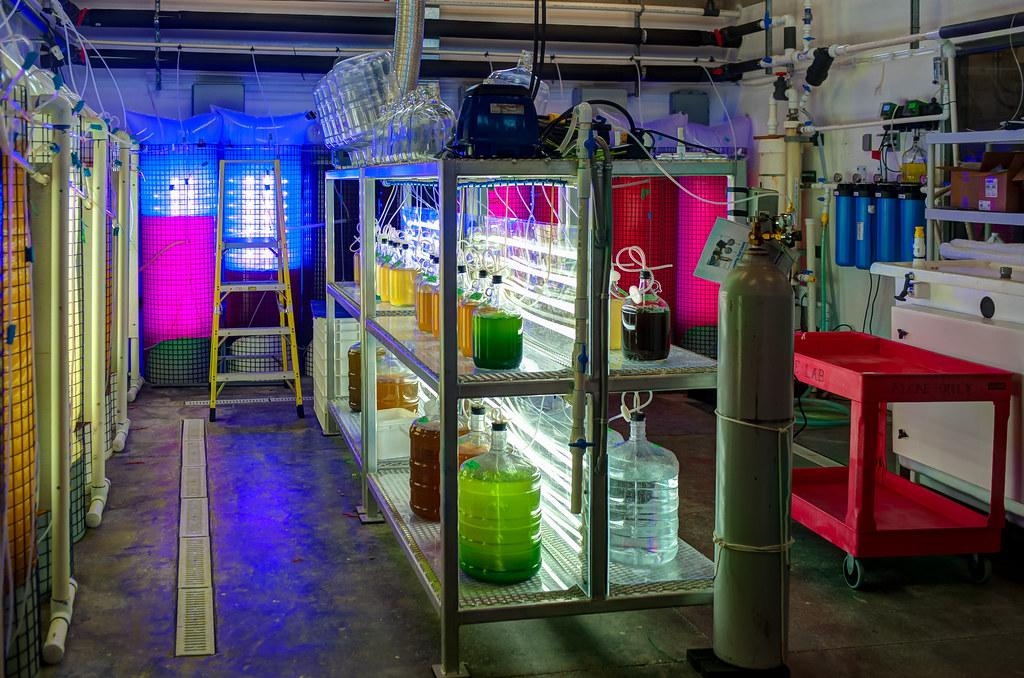
The upwelling that occurs in Baynes Sound makes it especially rich in nutrients. It is valuable for scientists to understand this process because the whole food chain is dependent on nutrients. Primary producers, like algae, are the base of the food chain and they need nutrients to grow. Phytoplankton is the scientific name for teeny algae that are food for many small animals, including shellfish.
Phytoplankton are valuable to the ecosystem, but it is possible to have too much of a good thing. When there are too many nutrients in the water, this can cause a harmful algal bloom. Learn about how these blooms affect water quality on our water quality page.
Scientists use models to understand many different factors that contribute to upwelling and circulation. For example, studies consider wind, runoff from land, and river inflow.
Check out the Research Papers:
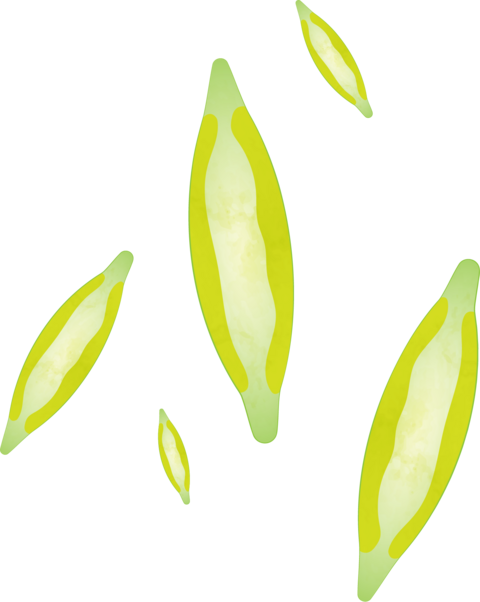
Illustration by Mackenzie Beck.
Exploring algae
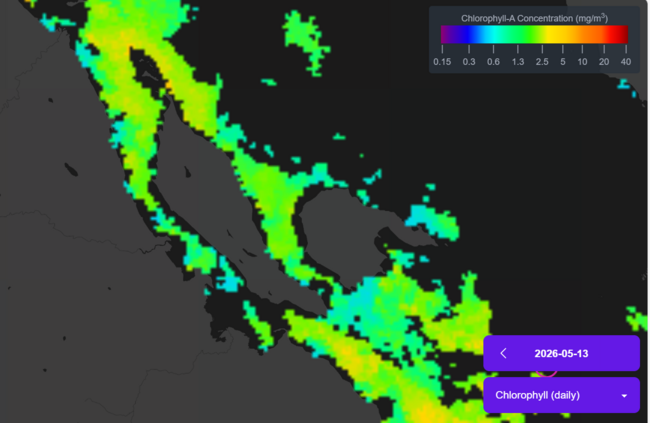
Scientists with the SPECRAL Lab at the University of Victoria have created an online tool called the Algae Explorer. Algae produce chlorophyll, which can be mapped using satellite imagery. That is the basis of this interactive tool.
The Algae Explorer is currently run by the Hakai Institute.
There are over 5000 known species of phytoplankton!
Different species of phytoplankton have different nutritional value for animals that eat them! Like plants, different species of algae also use different nutrients to grow. It is important to be able to differentiate between different species of phytoplankton to understand how these algae affect cycles and food webs.
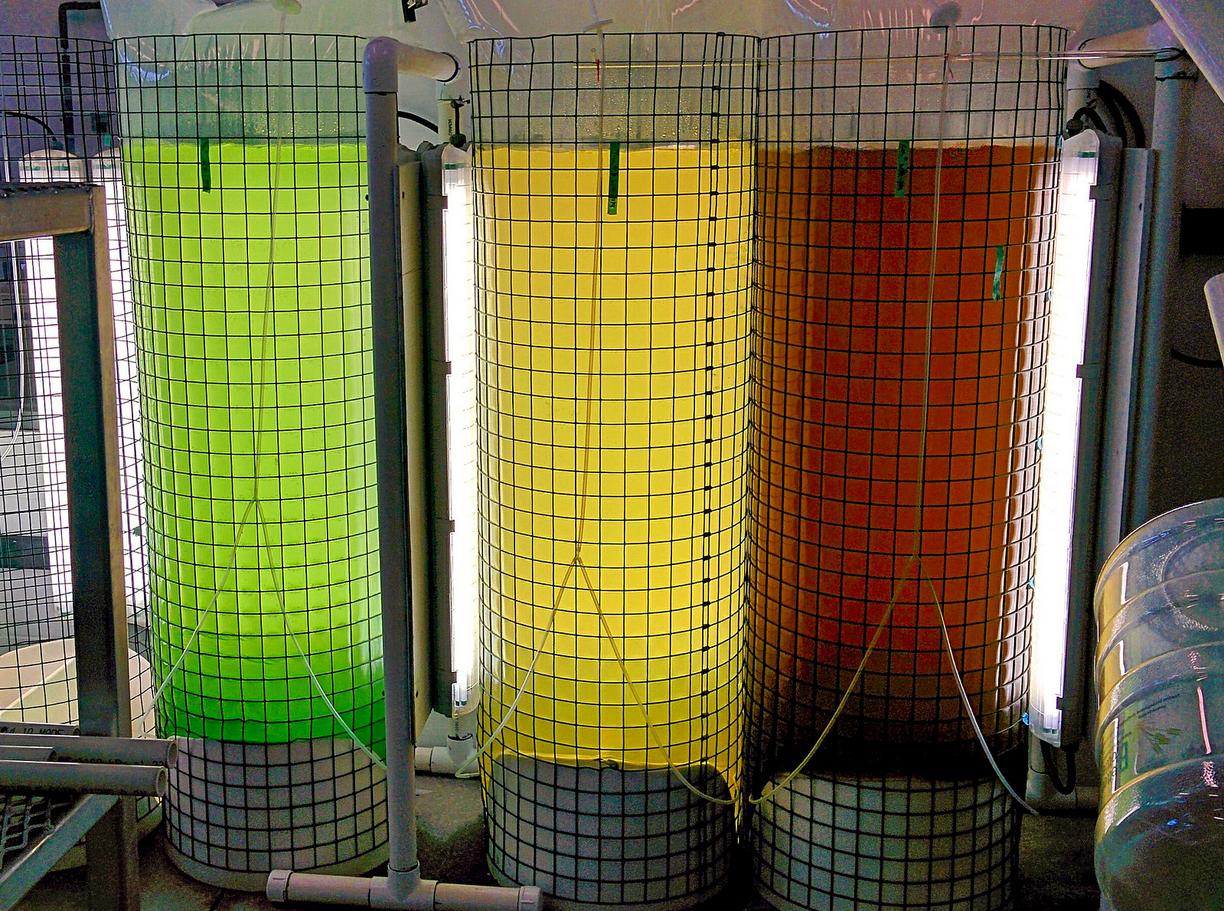
One way scientists identify different types of phytoplankton is with microscopes. This requires a lot of time and skill. Studying a whole region can be difficult using this method. That is why newer technology uses chromatography instead. Chromatography is a way to separate soluble substances that have been mixed. In Plankton research, chromatography is used to separate the different pigments found in the algae. Based on the pigments present, scientists can determine which species of algae are in the water. This makes it faster and easier to study larger areas over longer periods of time.
In 2023, Scientists used this method to identify plankton in the Salish Sea. The researchers found that there were three distinct regions of phytoplankton communities. Region 1) the Juan de Fuca Strait, Region 2) central Strait of Georgia, and Region 3) the northern Strait of Georgia. Each region had a different mix of phytoplankton species. The results for Baynes Sound were surprising. It was an outlier. Because of its location, the researchers assumed it would fit in with Region 2. Instead, it was loosely associated with Region 1. This may be the case because Baynes Sound and the Juan de Fuca Strait have similar processes. They both have nutrient upwelling driven by wind, tides, and river inflow.
Check out the research paper:
Nemcek, N., Hennekes, M., Sastri, A., & Perry, R. I. (2023). Seasonal and spatial dynamics of the phytoplankton community in the Salish Sea, 2015–2019. Progress in Oceanography, 217.
Invertebrates
Baynes Sound is home to a wide range of creatures, big and small. On the smaller side, invertebrates make up over 92% of all marine life, but are often overlooked. They live in every part of the ocean and are extremely diverse (as you can see from the photos below). Because of the large number of different invertebrates, scientists have expressed concern that many species may go extinct before they are even discovered.
Marine invertebrates play very important ecological roles such as improving water quality, nutrient cycling, and habitat engineering. They are also very important to humans! Marine invertebrates have helped researchers discover new disease-resistant chemical compounds that can then be used to create medical products. By studying organisms like sea urchins, scientists are also able to conduct important genetic and developmental biology research.
You can read more about the importance of invertebrates by checking out this paper.


Forage fish
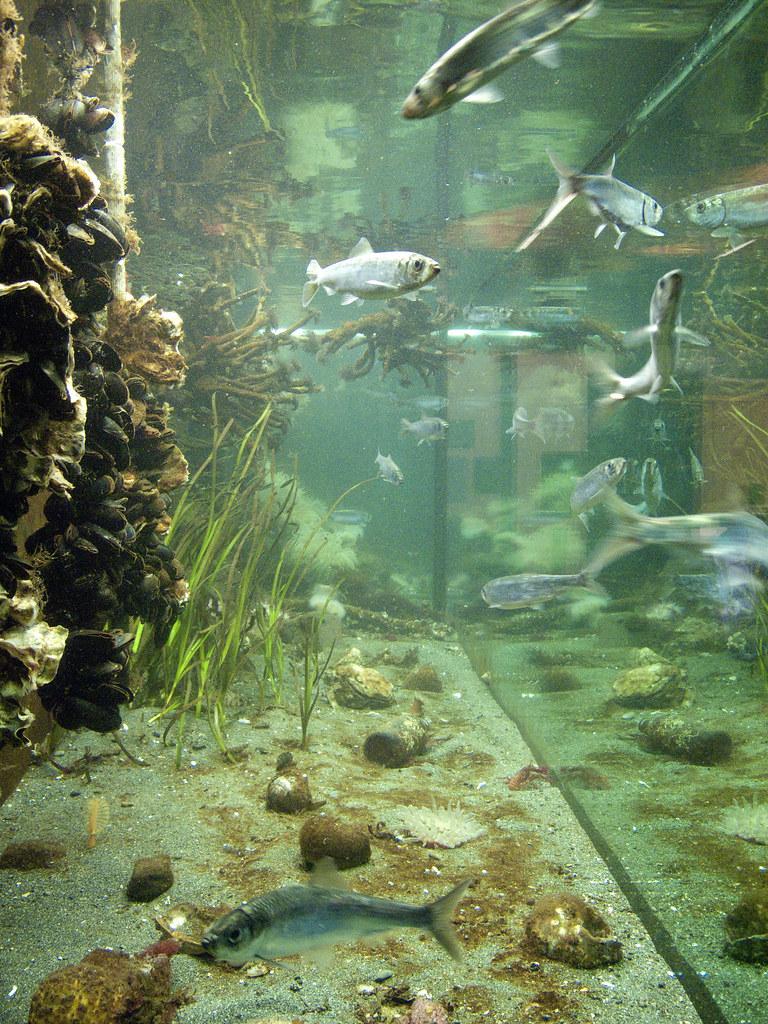
Small fish, like herring and sand lance, are sometimes called “forage fish”. They transfer energy from the tiny plankton at the bottom of the food chain to the bigger species higher up the food chain. When forage fish spawn, the whole ecosystem thrives. Many species enjoy feasting on the small fish and their eggs. This is why tracking forage fish spawning habitat and spawning events are important research areas.
Citizen Science has played a crucial role in tracking sand lance spawning habitat. Citizen Science is when non-scientists help scientists collect data. Since 2001, non-scientists have found sand lance eggs on more than 90 beaches around the Salish Sea. This information helped scientists develop a model of habitat suitability. The model estimates that only 5.4% of Salish Sea beaches are likely spawning habitat for sand lance. Some of these rare habitats can be found in and around Baynes Sound.
Scientists track the milky-blue waters of the herring spawn using satellite imagery. Learn more on our herring page.
Research papers
Bourdon, R. (2015). Interactions between fish communities and shellfish aquaculture in Baynes Sound, British Columbia [Master Thesis, University of Victoria].
Chen, E. Y. S. (2021). Often overlooked: Understanding and meeting the current challenges of Marine Invertebrate Conservation. Frontiers in Marine Science, 8.
Cox, K. D., Davies, H. L., Millard-Martin, B., Black, M., Hessing-Lewis, M., Smith, N. F., Juanes, F., & Dudas, S. E. (2024). Ancestral and contemporary intertidal mariculture practices support marine biodiversity in the northeast Pacific. Communications Earth & Environment, 5(1), 351–13.
Cox, K. D., Davies, H. L., Millard‐Martin, B., Black, M., Hessing‐Lewis, M., Smith, N. F., Juanes, F., & Dudas, S. E. (2025). Ancient and contemporary shellfish cultivation practices bolster bivalve communities and diversity‐biomass relationships. People and Nature (Hoboken, N.J.), 7(1), 81–98.
Grewell, B. J., Castillo, J. M., Skaer Thomason, M. J., & Drenovsky, R. E. (2016). Phenotypic plasticity and population differentiation in response to salinity in the invasive cordgrass Spartina densiflora. Biological Invasions, 18(8), 2175–2187.
Huard, J. R., Proudfoot, B., Rooper, C. N., Martin, T. G., & Robinson, C. L. K. (2022). Intertidal beach habitat suitability model for Pacific sand lance (Ammodytes personatus) in the Salish Sea, Canada. Canadian Journal of Fisheries and Aquatic Sciences, 79(10), 1681–1696.
Jamieson, G. S., & Levesque, C. (2014). Identification of Ecologically and Biologically Significant Areas on the West Coast of Vancouver Island and the Strait of Georgia, and in some nearshore areas on the North Coast: Phase II – Designation of EBSAs. DFO Can. Sci. Advis. Sec. Res. Doc. 2014/101. Vii + 36 p.
Krassovski, M. V., Foreman, M. G. G., Guyondet, T., Filgueira, R., & Sutherland, T. F. (2024). A Circulation Model for Baynes Sound, British Columbia, Canada. Atmosphere-Ocean, 62(1), 90–118.
Levesque, C., & Jamieson, G. S. (2014). Identification of Ecologically and Biologically Significant Areas in the Strait of Georgia and off the West Coast of Vancouver Island: Phase I - Identification of Important Areas. DFO Can. Sci. Advis. Sec. Res. Doc. 2014/100. Viii + 68 p.
Moore-Maley, B., & Allen, S. E. (2022). Wind-driven upwelling and surface nutrient delivery in a semi-enclosed coastal sea. Ocean Science, 18(1), 143–167.
Nemcek, N., Hennekes, M., Sastri, A., & Perry, R. I. (2023). Seasonal and spatial dynamics of the phytoplankton community in the Salish Sea, 2015–2019. Progress in Oceanography, 217(Journal Article), 103108.
Rechsteiner, E. U., Watson, J. C., Tinker, M. T., Nichol, L. M., Morgan Henderson, M. J., McMillan, C. J., DeRoos, M., Fournier, M. C., Salomon, A. K., Honka, L. D., & Darimont, C. T. (2019). Sex and occupation time influence niche space of a recovering keystone predator. Ecology and Evolution, 9(6), 3321–3334.
Robinson, C. L. K., Proudfoot, B., Rooper, C. N., & Bertram, D. F. (2021). Comparison of spatial distribution models to predict subtidal burying habitat of the forage fish Ammodytes personatus in the Strait of Georgia, British Columbia, Canada. Aquatic Conservation, 31(10), 2855–2869.
Sutherland, T. F., & Amos, C. L. (2020). An In Situ Assessment of Seabed Stability in Baynes Sound, British Columbia, Canada. Journal of Coastal Research, 36(3), 472.
Sutherland, T. F., Garcia-Hoyos, L. M., Poon, P., Krassovski, M. V., Foreman, M. G. G., Martin, A. J., & Amos, C. L. (2018). Seabed Attributes and Meiofaunal Abundance Associated with a Hydrodynamic Gradient in Baynes Sound, British Columbia, Canada. Journal of Coastal Research, 345, 1021–1034.