
What is shellfish aquaculture?
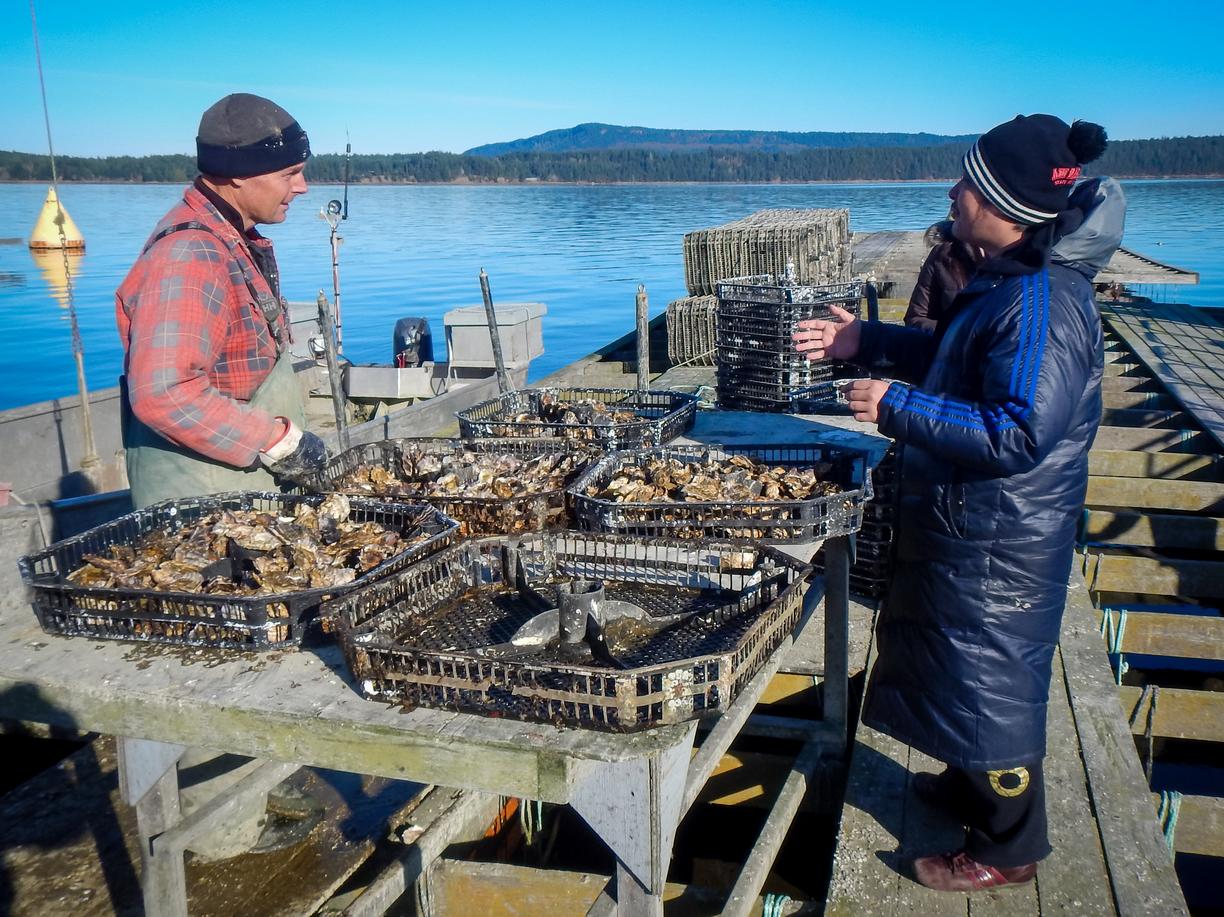
Aquaculture means farming in the ocean. There are two main types of aquaculture in BC: finfish aquaculture and shellfish aquaculture. As you may expect from the names, finfish are fish with fins and shellfish have shells. Crab, shrimp, oysters, and clams are all shellfish. In Baynes Sound, only bivalves like oysters, clams, mussels, and scallops are farmed.
Bivalves are animals with a hinged shell! In latin, “Bi” means two and “valvae” means door (referring to the two halves of the shell).
There are many wild shellfish along the BC coast, but picking shellfish off the beach is not the same as farming. Farming involves doing work to influence production. This can include regular stocking and protection from predators.
Shellfish grown in British Columbia
Oysters
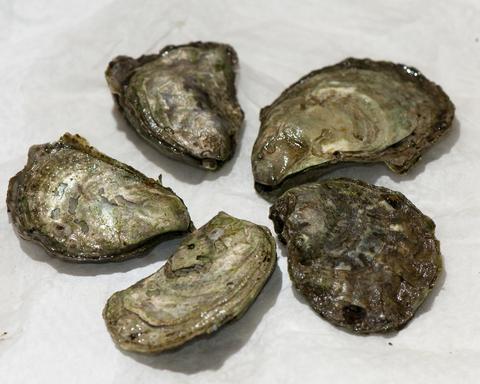
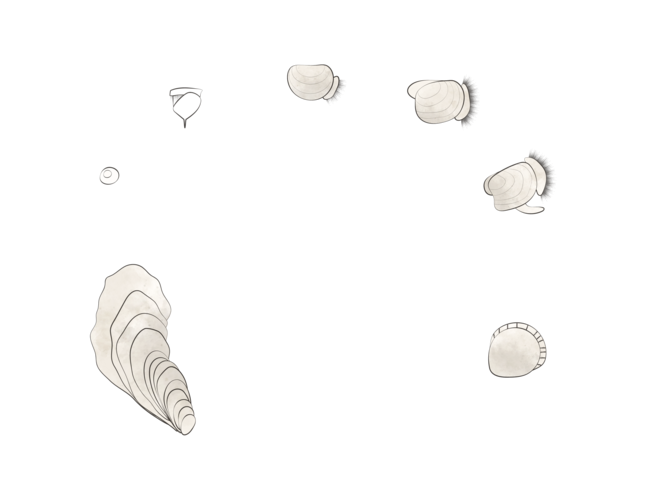
Pacific oysters are the most common type of shellfish grown in BC. They make up over half of BC's total shellfish aquaculture sales. Olympia oysters (pictured) are also grown.
Clams
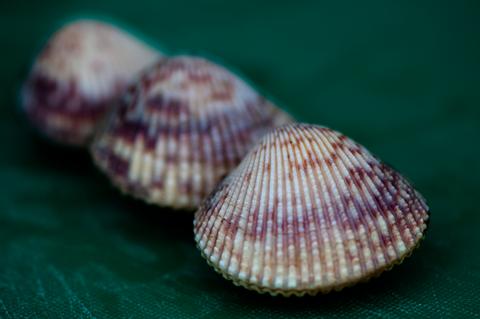
Clams are the second most popular type of shellfish farmed in BC. Cultivated species include basket cockles (pictured), Manila clams, littleneck clams, and geoduck clams.
Mussels & scallops
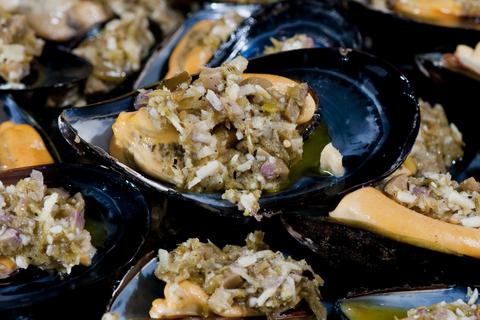
Mussels and scallops are less commonly grown on our coats. Cultivated species include Gallo and Western Blue mussels (pictured) and pacific scallops.
Want to dive deeper?
Learn more about the shellfish industry in BC from this 2020 Report from Fisheries and Oceans Canada.
Is shellfish farming sustainable?
When it comes to farming, shellfish aquaculture is special. Farming usually involves external inputs. Plants need fertilizing and animals need feeding. Shellfish are different, because they don't need to be fed. They eat tiny algae and plankton that are plentiful in the ocean. This means that shellfish are self-sustaining and help clean the water.
An adult oyster can filter a whole bathtub full of seawater in a single day.
Because shellfish don’t require feed, they also use less energy than other livestock. The main energy input needed to grow shellfish is human labor.
Watch the video to meet shellfish farmer Keith Reid! Then, continue reading to learn more about how shellfish farming works.
Check out this YouTube playlist from the BC Shellfish Growers Association to meet more shellfish farmers.
Is shellfish cultivation new?
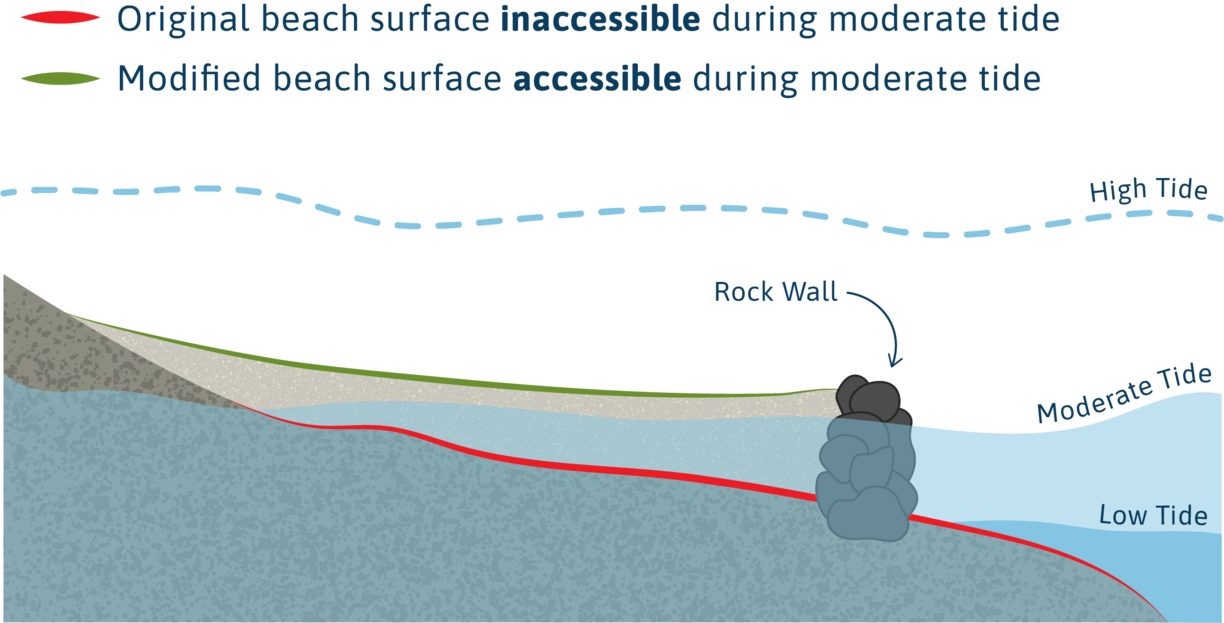
Shellfish cultivation in BC is not new. Coastal First Nations have been cultivating shellfish in clam gardens since time immemorial. This ancient practice involves constructing a rock wall at the low-tide line. The rock wall creates a flattened garden terrace, increasing the available clam habitat.
Clam gardens are being restored all around the BC Coast.
Check out this video from the Hakai Institute and visit The Clam Garden Network website for more information on Clam Gardens.
Commercial shellfish aquaculture
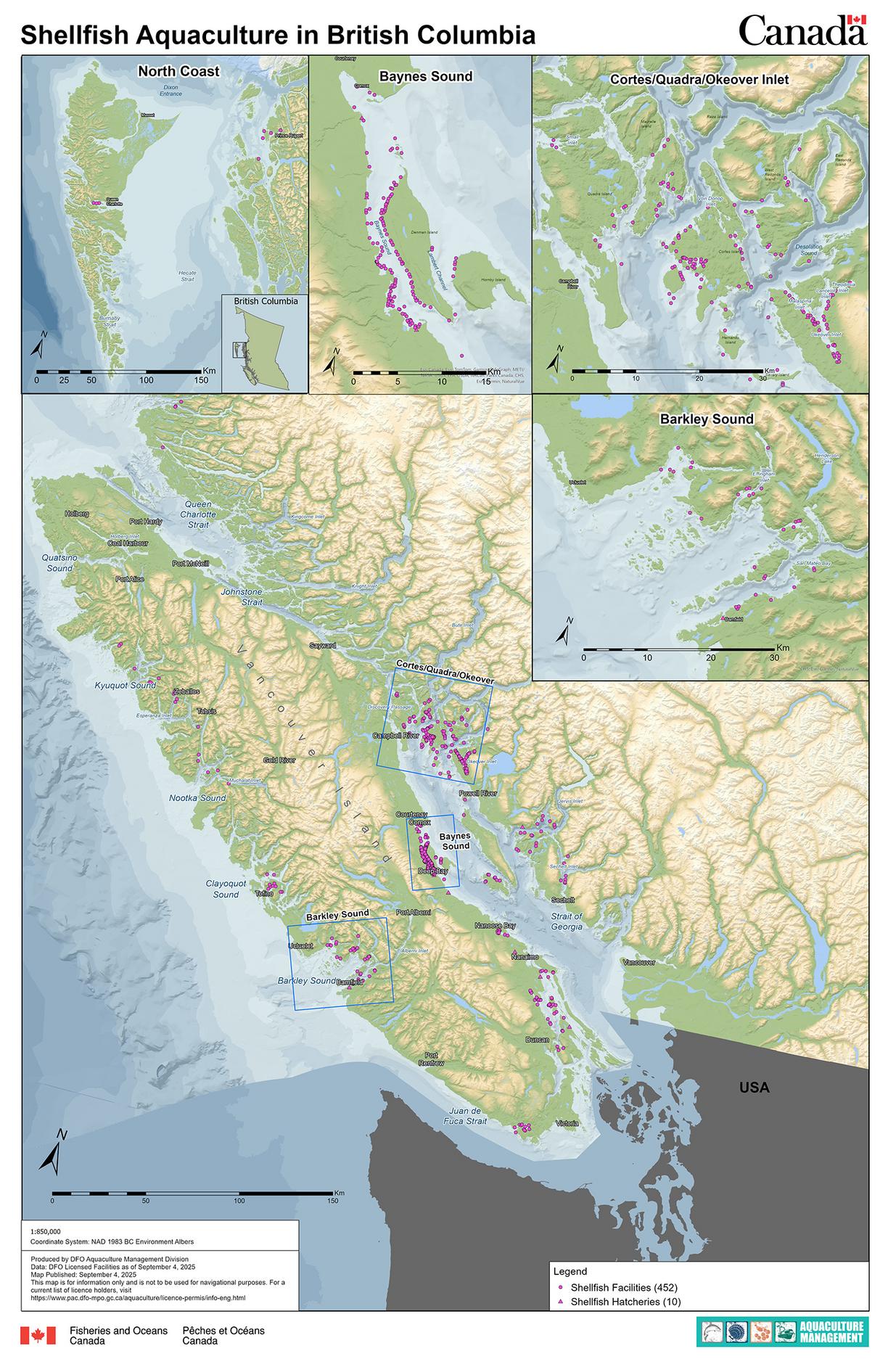
European settlers introduced pacific oysters to Fanny Bay from East Asia in 1912. This began the commercial shellfish industry in Baynes Sound. Today, there are over 400 shellfish aquaculture facilities across BC!
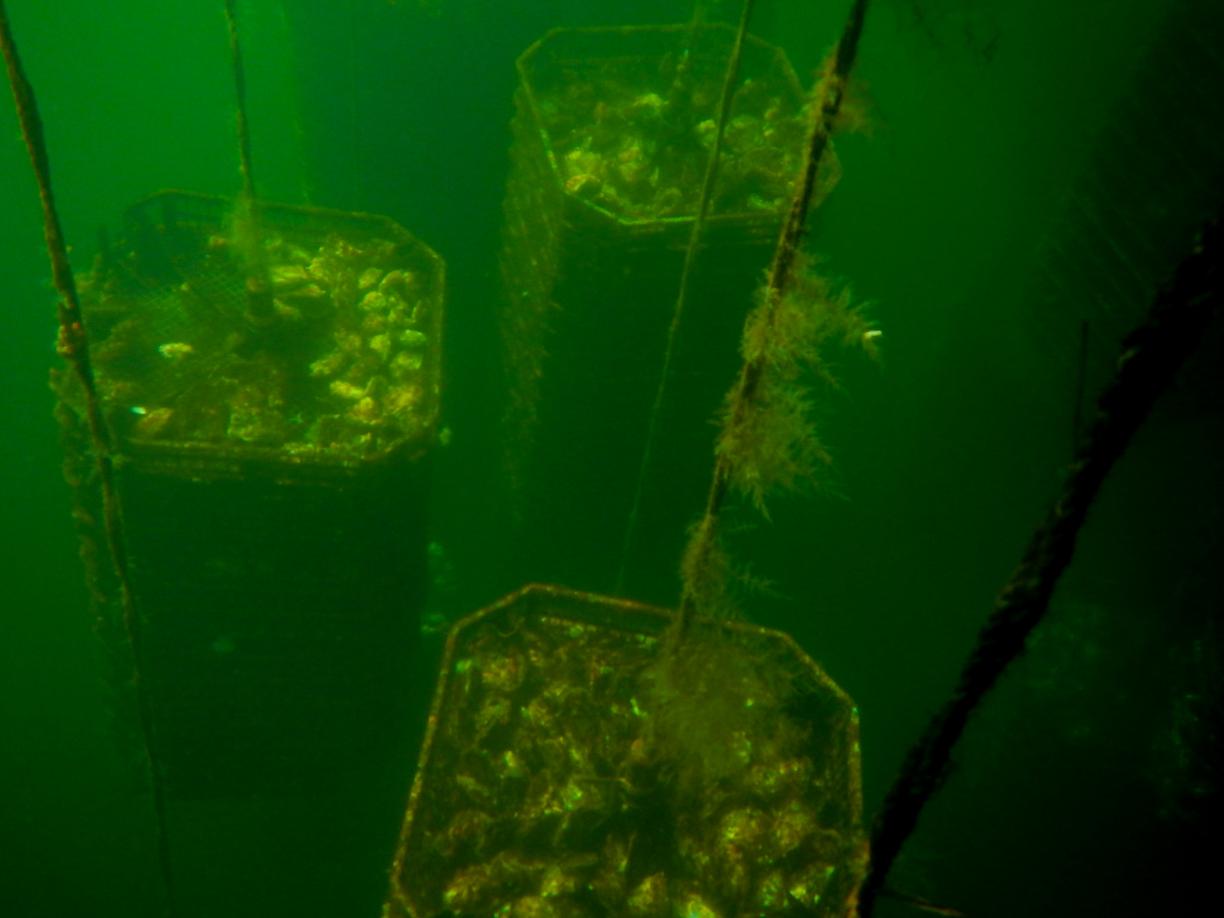
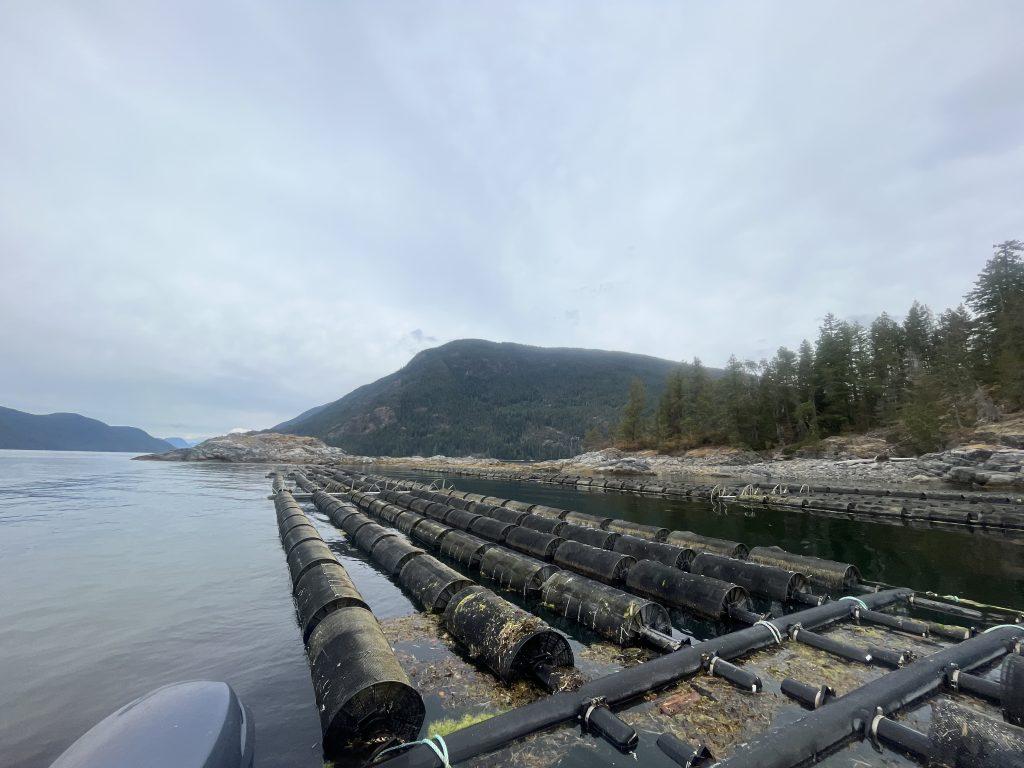
Shellfish aquaculture has changed a lot in 100 years. Shellfish farming still occurs on beaches, but now there is farming in deep water as well. Today, shellfish farms include floating rafts with underwater trays that can house thousands of shellfish.
Innovations in shellfish aquaculture
Farmers continue to change and adapt to new best practices all the time. One common issue in aquaculture is "biofouling". This is when pesky organisms attach to shellfish and equipment in the water. The latest technology helps combat this issue. Farmers use floating pouches or cages in place of rafts with deep columns of shellfish trays. Farmers flip the floating pouches or cages to dry out unwanted organisms. This is much easier than pulling hundreds of trays out of the water.
Oysters can't stand the heat
No matter the cultivation method, oyster death rates tend to be higher in the summer months. With a changing climate, this is only expected to get worse, which is bad news for oyster farmers. Check out this video from the summer of 2021 to learn more.
Scientists work to reduce oyster death rates
Reducing summer oyster mortality is a common research theme in Baynes Sound. Reduced mortality can be achieved through breeding programs that work to grow hardier shellfish. Researchers are also looking to natural processes for ways to reduce summer mortality.
Researching a nature-based solution
In 2024, researchers studied whether growing oysters closer to shore (in the intertidal zone) can reduce summer die-off. The results suggest that this can be a useful nature-based solution!
Researchers looked at oysters grown in the intertidal zone and oysters grown in deep water. They also studied oysters moved from the intertidal zone to deeper water after a year of growth. The results suggest that oysters grown closer to shore were more resilient to summer stress. This was true regardless of whether they were later moved to deeper water. Scientists think this is because the intertidal zone is a stressful environment for oysters. Oysters grown in the intertidal zone may be better able to handle stress, because they are more used to it!
This may be a useful consideration for farmers, but more research is needed. Science is all about testing and retesting to see if the results are the same.
How much shellfish can Baynes Sound handle?
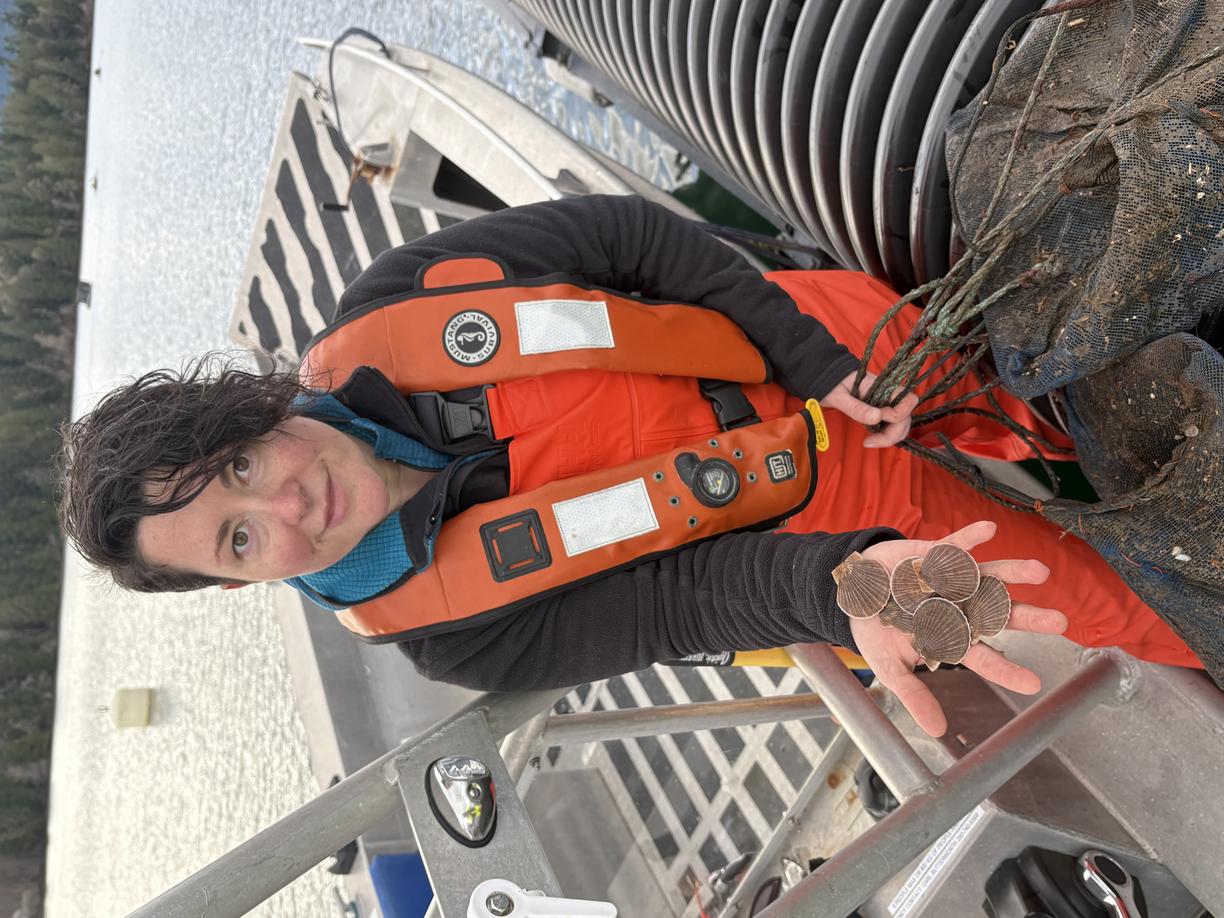
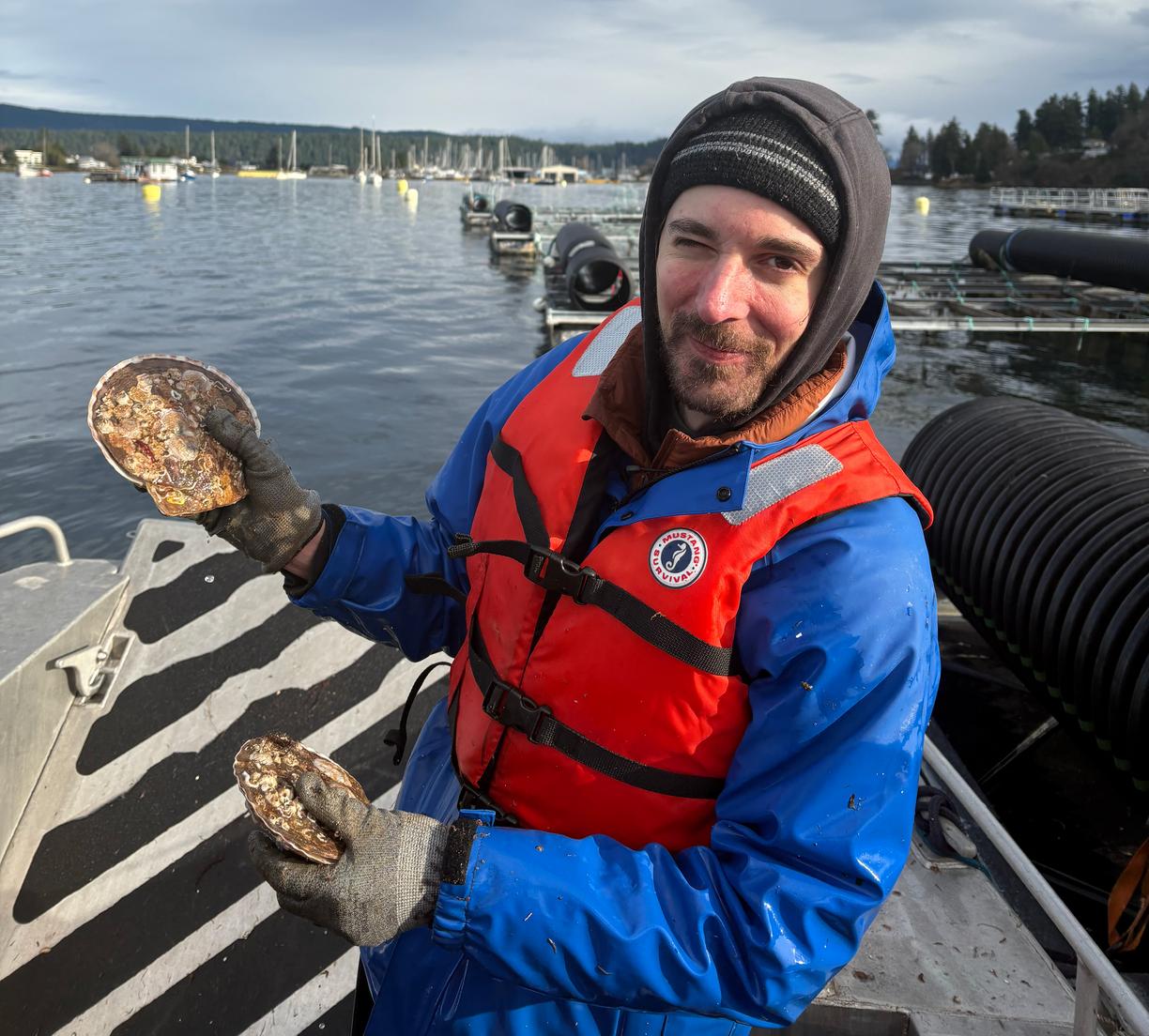
The number of species an environment can support is its “carrying capacity”. Research suggests that Baynes Sound has not yet reached its shellfish carrying capacity. The environment is changing though, so it is important to proceed with caution.
Shellfish eat phytoplankton, which are tiny pieces of algae. On land, plants are the primary producers and the base of the food chain. In the ocean, algae plays this role. To understand how many shellfish Baynes Sound can support, we need to know how much algae there is for them to eat.
This was the subject of a 2022 study on the carrying capacity of Baynes Sound. The study involved both modelling and field observations. The results suggest that there is enough algae production to support a lot shellfish. This is just one study, however, and the scientists were careful to point out the limitations. For example, there can be a lot of variation in the carrying capacity from year to year. The carrying capacity will also change as the climate changes. For these reasons, it is important that shellfish farming expands with careful oversight. Consistent monitoring is key.
Check out the research paper:
Guyondet, T. (2022). An ecological carrying capacity assessment for shellfish aquaculture in Baynes Sound, British Columbia. Canadian Science Advisory Secretariat (CSAS).
Research papers
Bendell, L. I. (2014). Community composition of the intertidal in relation to the shellfish aquaculture industry in coastal British Columbia, Canada. Aquaculture, 433(Journal Article), 384–394.
Bendell, L. I. (2014). Evidence for Declines in the Native Leukoma staminea as a Result of the Intentional Introduction of the Non-native Venerupis philippinarum in Coastal British Columbia, Canada. Estuaries and Coasts, 37(2), 369–380.
Bendell, L. I., & Wan, P. C. Y. (2011). Application of aerial photography in combination with GIS for coastal management at small spatial scales: A case study of shellfish aquaculture. Journal of Coastal Conservation, 15(4), 417–431.
Carswell, B., Cheesman, S., & Anderson, J. (2006). The use of spatial analysis for environmental assessment of shellfish aquaculture in Baynes Sound, Vancouver Island, British Columbia, Canada. Aquaculture, 253(1), 408–414.
Cassis, D., Pearce, C., & Maldonado, M. (2011). Effects of the environment and culture depth on growth and mortality in juvenile Pacific oysters in the Strait of Georgia, British Columbia. Aquaculture Environment Interactions, 1(3), 259–274.
Cowan, M. (2020). Exploring the mechanisms of Pacific oyster summer mortality in Baynes Sound aquaculture [Master Thesis, University of Victoria].
Cowan, M. W., Pearce, C. M., Finston, T., Meyer, G. R., Marshall, R., Evans, W., Sutherland, T. F., & De La Bastide, P. Y. (2023). Role of the Vibrio community, reproductive effort, and environmental parameters in intertidal Pacific oyster summer mortality in British Columbia, Canada. Aquaculture, 565, 739094.
Cowan, M. W., Pearce, C. M., Green, T. J., Finston, T., Meyer, G. R., McAmmond, B., Van Hamme, J. D., Bottos, E. M., Marshall, R., Evans, W., Sutherland, T. F., & de la Bastide, P. Y. (2024). Abundance of Vibrio aestuarianus, water temperature, and stocking density are associated with summer mortality of Pacific oysters in suspended culture. Aquaculture International, 32(4), 5045–5066.
D’Anna, L. M., & Murray, G. D. (2015). Perceptions of shellfish aquaculture in British Columbia and implications for well-being in marine social-ecological systems. Ecology and Society, 20(1), 57.
Drope, N., Morin, E., Kohfeld, K., Ianson, D., & Silver, J. J. (2024). Media Representations and Farmer Perceptions: A Case Study of Reporting on Ocean Acidification and the Shellfish Farming Sector in British Columbia, Canada. Environmental Communication, 18(4), 406–417.
Dunham, A., Gurney-Smith, H., Plamondon, N., Yuan, S., & Pearce, C. M. (2013a). Aquaculture potential of the basket cockle (Clinocardium nuttallii). Part 1: Effects of stocking density on first year grow-out performance in intertidal and off-bottom suspended culture. Aquaculture Research, 44(8), 1236–1253.
Dunham, A., Gurney-Smith, H., Plamondon, N., Yuan, S., & Pearce, C. M. (2013b). Aquaculture potential of the basket cockle (Clinocardium nuttallii). Part 2: Effects of stocking density and depth on second year grow-out performance of three size cohorts in intertidal and off-bottom suspended culture. Aquaculture Research, 44(8), 1277–1299.
Guyondet, T. (2022). An ecological carrying capacity assessment for shellfish aquaculture in Baynes Sound, British Columbia. Canadian Science Advisory Secretariat (CSAS).
Hamouda, L., Hipel, K. W., & Kilgour, D. M. (2004). Shellfish Conflict in Baynes Sound: A Strategic Perspective. Environmental Management (New York), 34(4), 474–486.
Khtikian, N. (2021). Investigating the role of Vibrio aestuarianus in summer mortality of farmed Crassostrea gigas in Baynes Sound, British Columbia [Master Thesis, University of Victoria]. t
Lavoie, M., McKindsey, C., Pearce, C., & Archambault, P. (2016). Influence of intertidal Manila clam Venerupis philippinarum aquaculture on biogeochemical fluxes. Aquaculture Environment Interactions, 8, 117–130.
Mackenzie, C. L., Raap, M. R., Kellogg, C. T. E., Walker, C. Y. V., Clemente-Carvalho, R. B. G., Green, T. J., & Pearce, C. M. (2025). A common garden comparison of the microbiome and gene expression of intertidally- and subtidally-cultured Pacific oysters (Crassostrea gigas) in relation to extreme warming events. Aquaculture International, 33(5).
Mackenzie, C. L., Raap, M. R., Leduc, S., Walker, C. Y. V., Green, T. J., Kim, E., Montgomery, E. M., Gray, S. L. M., Long, A., & Pearce, C. M. (2024). Development of a nature-based solution for mitigation of Pacific oyster summer mortality: Use of the intertidal zone to improve resilience to environmental stressors. Frontiers in Marine Science, 11(Journal Article).
Mallows, C., & Shaw, K. (2024). CULTIVATING SOLUTIONS: Environmental Change and Oyster Farming in British Columbia. BC Studies, (220), 67–150.
Meyer, G., Lowe, G., Gilmore, S., & Bower, S. (2017). Disease and mortality among Yesso scallops Patinopecten yessoensis putatively caused by infection with Francisella halioticida. Diseases of Aquatic Organisms, 125(1), 79–84.
Morin, E. (2020). First-Hand Knowledge of BC Ocean Change: Oyster Farmers’ Experiences of Environmental Change and Oyster Die-Off Events [Master Thesis]. Simon Fraser University.
Munroe, D. (2016). Habitat effects on early post-settlement growth of intertidal clams, Venerupis philippinarum (A. Adams & Reeve, 1850). Journal of Molluscan Studies, 82(4), 507–514.
Munroe, D., & McKinley, R. S. (2007). Commercial Manila clam (Tapes philippinarum) culture in British Columbia, Canada: The effects of predator netting on intertidal sediment characteristics. Estuarine, Coastal and Shelf Science, 72(1), 319–328.
Murray, G., & D’Anna, L. (2015). Seeing shellfish from the seashore: The importance of values and place in perceptions of aquaculture and marine social–ecological system interactions. Marine Policy, 62(Journal Article), 125–133.
Roland, W. G., & Albrecht, K. J. (1990). Production of Pacific oysters, Crassostrea gigas Thunberg, from wild-caught and hatchery-produced seed grown at several densities on oyster shells. Aquaculture Research, 21(1), 31–38.
Sutherland, T. F., & Amos, C. L. (2020). An In Situ Assessment of Seabed Stability in Baynes Sound, British Columbia, Canada. Journal of Coastal Research, 36(3), 472.
Whiteley, J., & Bendell-Young, L. (2007). Ecological implications of intertidal mariculture: Observed differences in bivalve community structure between farm and reference sites. The Journal of Applied Ecology, 44(3), 495–505.